
Systems not staying connected?
Share the tools, data flow, and failure points. We’ll map the safest way to connect them without fragile handoffs.
API Development & Integration
Stop letting broken integrations slow your operations
Your product, CRM, billing, inventory, support, and internal tools should not depend on manual fixes. We build the private integration layer that keeps business data moving between systems without silent failures.
Where integrations start costing the team
Most teams waste weeks reinventing integrations and building internal APIs that break when requirements change. Fragile connections, missing documentation, and inconsistent interfaces slow down every project that depends on them.
Build API integrations, webhooks, and sync jobs your business can rely on
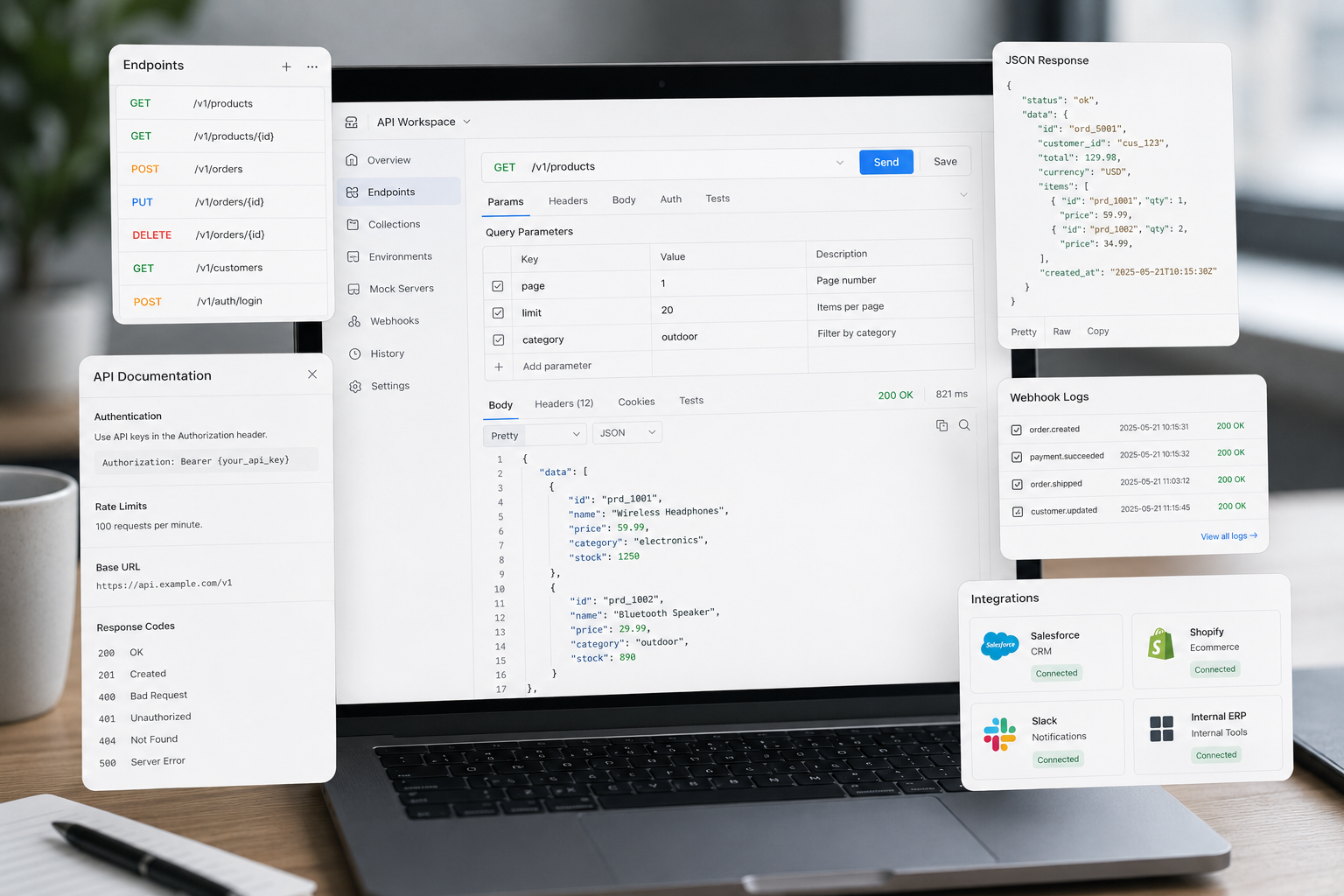
Orzaen designs and builds production-ready APIs and integration layers that connect your systems reliably. From RESTful APIs to GraphQL endpoints, we create interfaces that are fast, documented, and built to last.
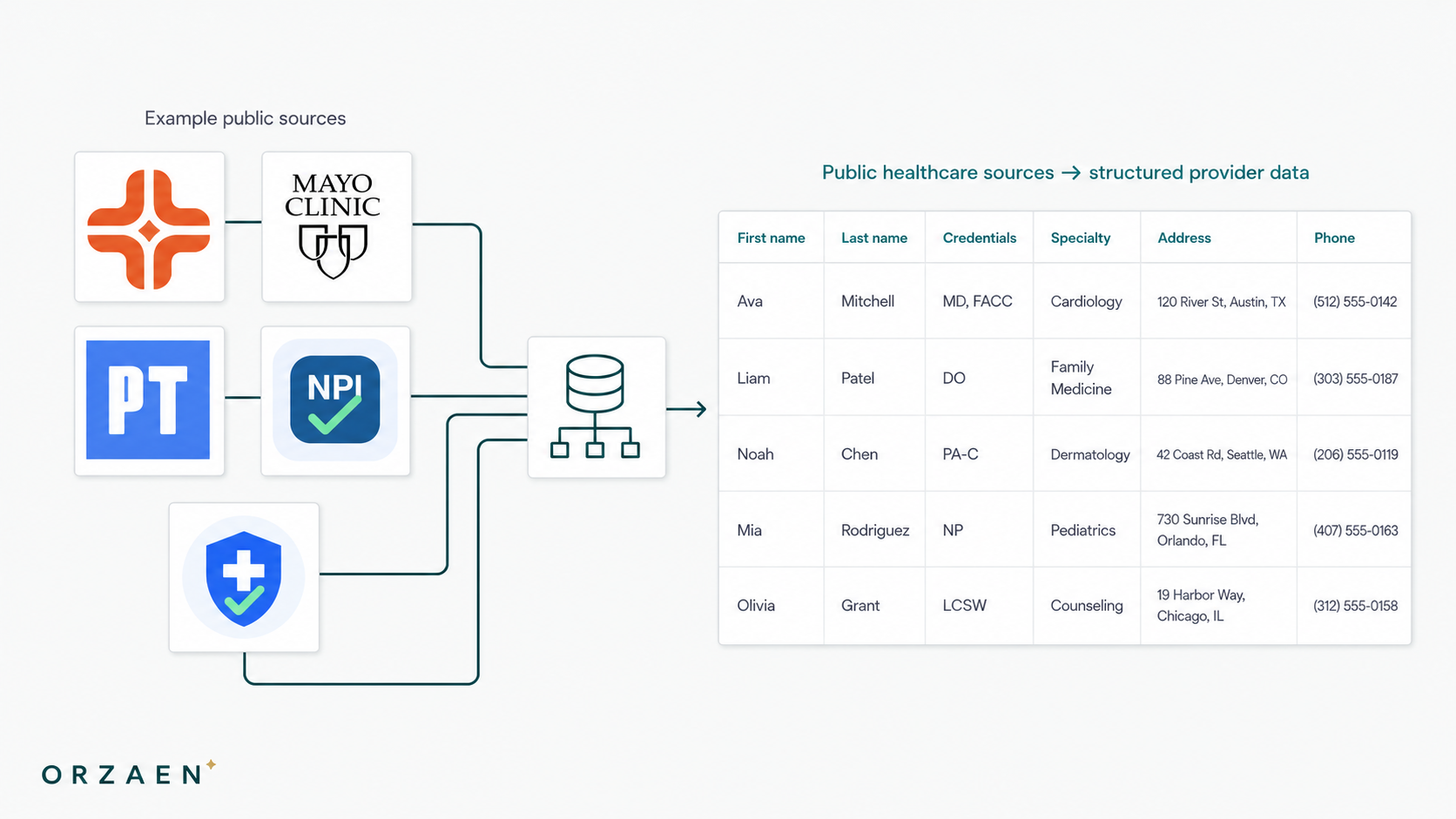
We reverse-engineer third-party APIs, build custom middleware, design webhook systems, and create unified API layers that abstract away the complexity of dealing with multiple external services.
Client Feedback
“Wonderful to work with, knowledgable and kind! Great work!”
Karah S. / CRM Operations Manager, MarketSurge User
API Preview
See the request, result, and error trail before handoff
Architecture explains the system structure. This preview shows how the integration behaves at the handoff level: incoming event, processed result, request example, and visible error state.
Input
sales orders were confirmed in Cin7, but the operations sheet was updated manually and often late.
Output
Controlled handoff from Cin7 to Google Sheets with status, customer, total, and order ID preserved.
POST /api/integrations/cin7/sale-orders
Authorization: Bearer {token}
Content-Type: application/json

{
  "event": "sale_order.confirmed",
  "source": "cin7",
  "order_id": "SO-10482",
  "customer": "Acme Wholesale",
  "total": 1840.75,
  "currency": "USD",
  "status": "confirmed",
  "destination": "google_sheets.operations_orders"
}
Integration Barriers We Remove
The failure points that usually appear after launch
We turn expired tokens, missed events, duplicate records, unclear errors, and manual recovery work into integration flows your team can monitor and trust.
Product
Features depend on unstable third-party APIs
Our Solution
Clean integration layers protect product flows
Engineering
One-off scripts become hard to maintain
Our Solution
Structured APIs, webhooks, and sync jobs reduce fragile code
Revenue Operations
CRM, billing, and lead data fall out of sync
Our Solution
Automated sync rules keep records aligned
Customer Operations
Support teams see outdated or missing account data
Our Solution
Reliable API connections keep tools updated
Finance
Payments, invoices, and reports do not match
Our Solution
Validated data flows reduce reconciliation work
Compliance
Failed events and API errors are hard to trace
Our Solution
Logs, alerts, and retries make failures visible
Operations
Teams still move data between tools manually
Our Solution
Webhooks and scheduled syncs remove repeat handoffs
Data Quality
Duplicate or incomplete payloads break downstream systems
Our Solution
Validation checks keep integrations usable
Product
Features depend on unstable third-party APIs
Our Solution
Clean integration layers protect product flows
Engineering
One-off scripts become hard to maintain
Our Solution
Structured APIs, webhooks, and sync jobs reduce fragile code
Revenue Operations
CRM, billing, and lead data fall out of sync
Our Solution
Automated sync rules keep records aligned
Customer Operations
Support teams see outdated or missing account data
Our Solution
Reliable API connections keep tools updated
Finance
Payments, invoices, and reports do not match
Our Solution
Validated data flows reduce reconciliation work
Compliance
Failed events and API errors are hard to trace
Our Solution
Logs, alerts, and retries make failures visible
Operations
Teams still move data between tools manually
Our Solution
Webhooks and scheduled syncs remove repeat handoffs
Data Quality
Duplicate or incomplete payloads break downstream systems
Our Solution
Validation checks keep integrations usable
Services
Integration work we build around real operational failure points
REST API Development
Production-ready RESTful APIs with proper HTTP semantics, versioning, pagination, filtering, and comprehensive error handling. Built with FastAPI, Node.js, or Laravel depending on your stack. Full OpenAPI/Swagger documentation included.
GraphQL API Design
Flexible GraphQL schemas with type safety, query optimization, and resolver efficiency. Single endpoint for complex data relationships. Ideal for mobile apps and frontend-heavy applications.
Third-Party Integration
Reliable connectors for external APIs with authentication handling, rate limit compliance, data transformation, and error recovery. We maintain the integration so you don't have to worry about API changes.
Webhook Infrastructure
Event delivery systems with retry logic, exponential backoff, signature verification, and dead-letter queues. Dashboard for monitoring delivery status and debugging failed events.
API Gateway & Middleware
Unified access layer for multiple backend services. Authentication, rate limiting, request/response transformation, caching, and comprehensive logging. Simplifies client consumption of your services.
Use Cases
Where connected systems remove manual handoffs
Integration Results
Proof from system-connection work that had to hold up
Systems We Connect
The tools and platforms we connect when business data has to move reliably.
Source Registry
REST APIs
Approach
OpenAPI spec analysis, endpoint mapping, auth flow implementation, and client SDK generation. Rate limit compliance with request queuing.
Output
Robust API clients with typed responses, error handling, and automatic retries.
Examples
Stripe, SendGrid, Twilio, HubSpot, Salesforce REST
Integration Architecture
How we structure integrations before they break
Integration Stack
Built around where your workflow depends on
We choose the backend tools, queues, databases, storage, alerts, and platform APIs based on the systems being connected and the operational risks the workflow needs to handle.
01
CRM & Lead Systems
Lead capture, contact sync, campaign triggers, pipeline updates, and customer records moving between business tools.
 HubSpot
 Airtable
 SendGrid
02
Inventory & Commerce
Orders, products, inventory, sales records, and confirmation flows synced across stores and operations systems.
 Cin7
Cin7 Lightspeed
 Shopify
 WooCommerce
 Google Sheets
03
Messaging & Alerts
Team alerts, SMS updates, call workflows, reporting bots, and human-in-the-loop notifications.
 Slack
Slack Twilio
 JustCall
 GmailSendGrid
04
Files & Documents
File uploads, PDF workflows, document sync, generated reports, and storage-based automation.
 Google Drive
 DropboxGoogle Sheets
 OCR
OCR Mistral AI
05
Official & Data APIs
Structured API pulls, public records, patents, maps data, lookup workflows, and external data sources.
 Google Maps
 OpenRouter
 Supabase
06
API & Sync Layer
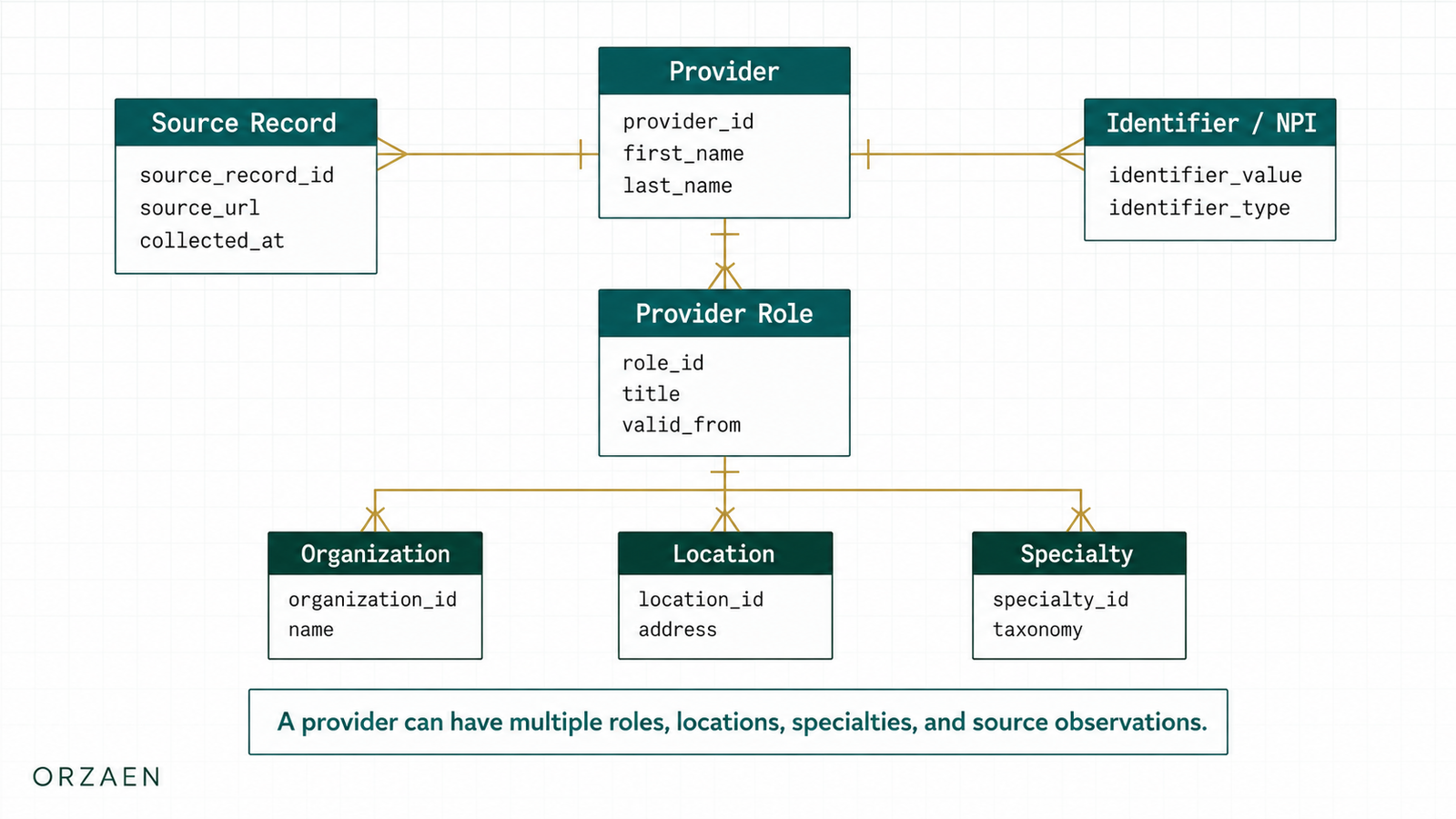
Custom endpoints, webhook receivers, scheduled syncs, database updates, and backend logic behind the integration.
 FastAPI
 Flask
Flask Laravel
 Webhooks
 Cron Jobs
 MongoDB
Delivery Workflow
How we move from broken handoffs to controlled integrations
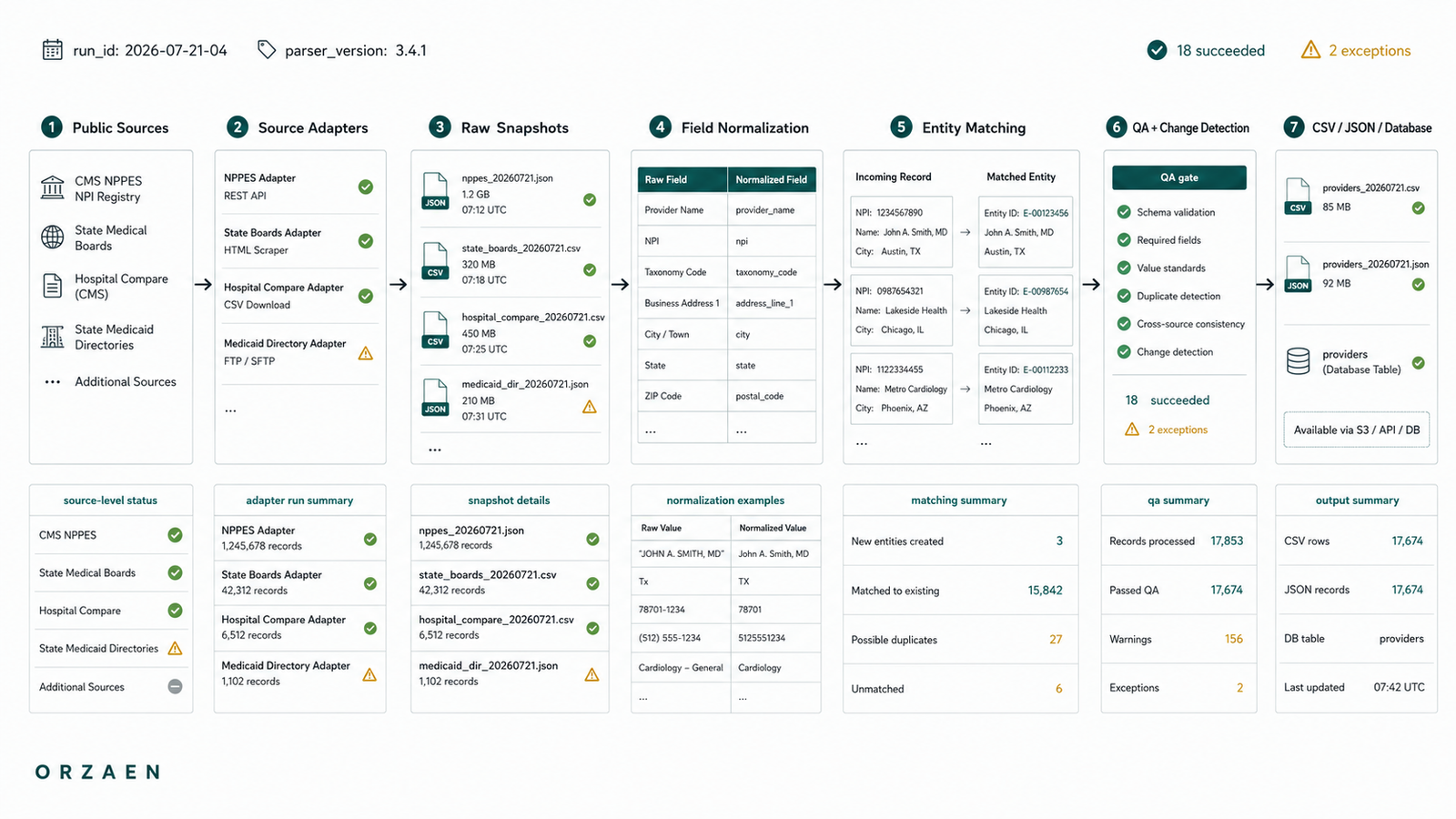
We review the tools, map the data path, define the handoff rules, build the connection layer, test failure cases, and hand over a workflow your team can operate.
Review the systems
We inspect the apps, APIs, databases, portals, docs, auth methods, webhook events, and current failure points.
Map the data flow
We define what needs to move, when it should sync, which system owns each field, and what happens when something fails.
Build the integration layer
We create APIs, webhook receivers, sync jobs, middleware, or background workers based on how your systems need to connect.
Add failure handling
We add validation, retries, rate-limit handling, duplicate checks, logs, alerts, and clear error visibility.
Test and hand over
We test real payloads, edge cases, failed events, expired tokens, and hand over the integration with notes your team can use.
Controlled Workflow
Each step connects system access, event handling, data mapping, authentication, retry behavior, visibility, and delivery rules into one controlled implementation path.
FAQ
Questions clients ask before connecting critical systems
Still have questions? We typically respond within 2 hours.
Automation Field Notes
Lessons from building automation that runs in production
Request a Quote
Turn fragile handoffs into reliable system flow
Send the systems, tools, databases, portals, APIs, or third-party services you need connected. We’ll review the flow, weak points, and safest implementation path.
No perfect brief needed.
Project Brief