Have a workflow, data, or system problem?
Share what is not working. We’ll map the cleanest technical path.
About Orzaen
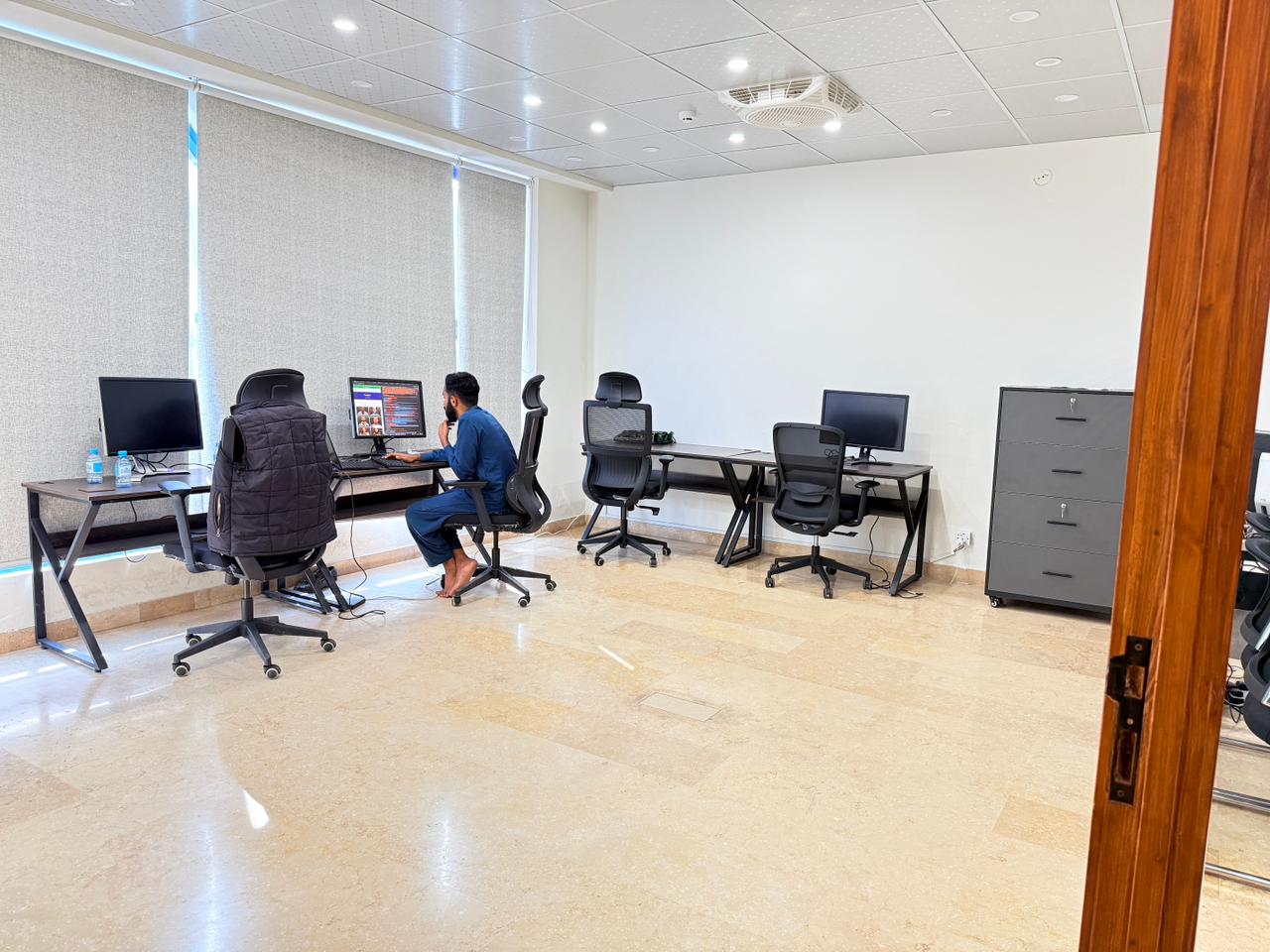
We build the systems behind cleaner business operations.
Orzaen helps teams clean messy data, automate repetitive workflows, connect business tools, build reliable APIs, and stabilize cloud infrastructure without adding more operational confusion.
Why Orzaen Exists
Built from real client problems, not service categories
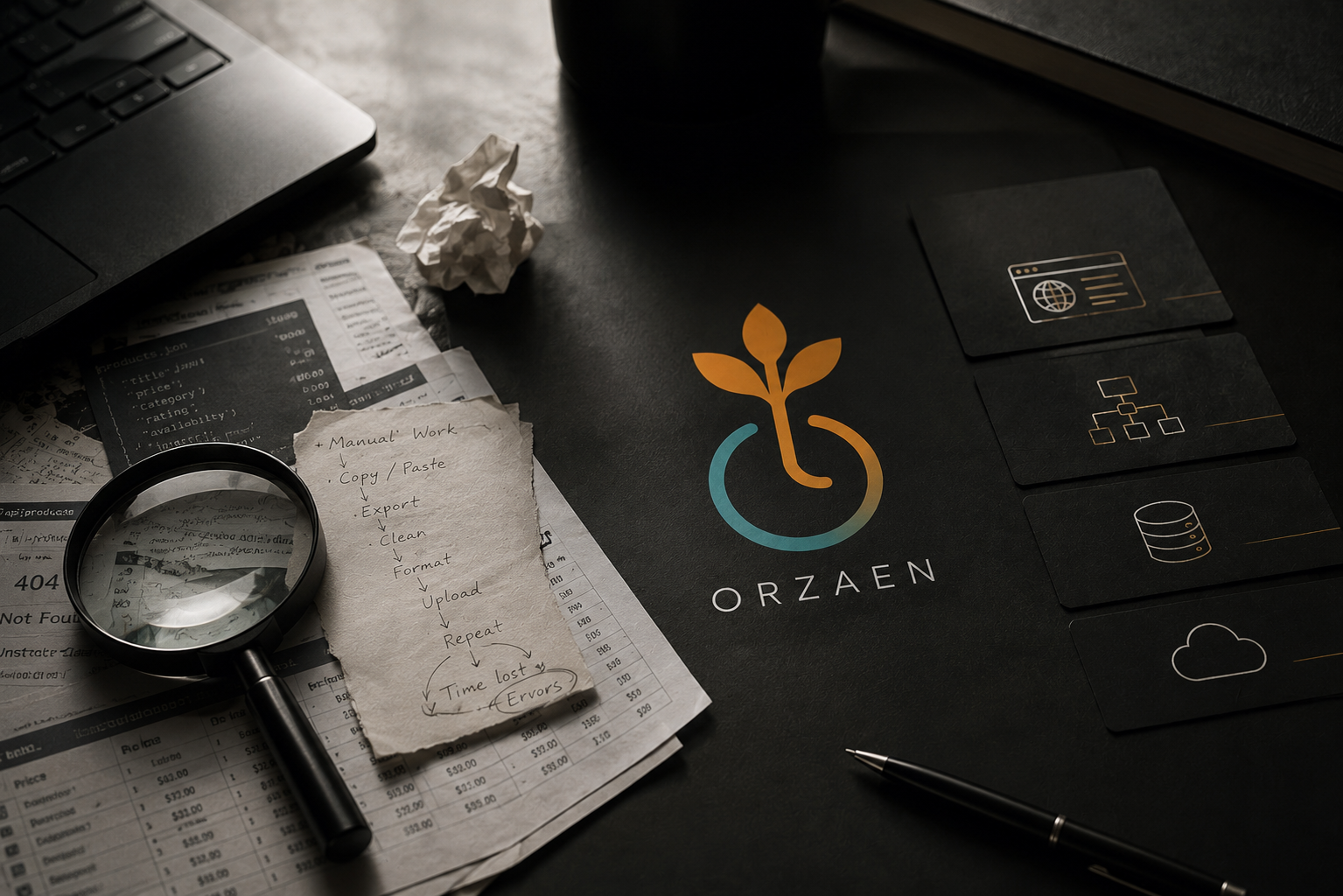
Orzaen started close to practical client work: extracting data, preparing e-commerce files, automating browser tasks, connecting tools, and building small systems that removed repeated manual work.
We kept seeing the same pattern. A client might ask for a scraper, but the deeper issue was messy data. They might ask for a bot, but the real issue was a broken workflow. They might ask for an API, but the real issue was poor handoff between tools.
So Orzaen became a systems partner. We combine scraping, data processing, automation, APIs, AI workflows, and cloud systems into practical solutions that fit the real business problem.
Founder-led Delivery
Strategy, delivery, and execution stay close to the work
Founder-led means clients are not handed off to a disconnected delivery layer. Strategy, delivery, and execution stay close to the workflow, the data, and the business outcome behind the request.

Co-Founder @ Orzaen
Ahmad Raza
Ahmad works with businesses to identify operational inefficiencies and design automation-driven systems that replace manual workflows with scalable data pipelines and AI-driven solutions.
Focus: Automation Strategy · Workflow Optimization · AI Adoption · Process Redesign

Co-Founder @ Orzaen
Hira Arif
Hira manages operations, delivery, and client success at Orzaen, helping businesses move from scattered manual workflows to structured, automated systems.
Focus: Delivery Management · Workflow Documentation · QA · Client Operations
What We Learned
The first request is rarely the real problem
Most clients ask for a scraper, bot, API, or dashboard. The deeper need is usually a cleaner operational system around the workflow, the data, the failure points, and the handoff.
Scraping needs stability
A scraper is not enough if the source keeps changing. The system needs monitoring, fallback logic, cleanup, and a plan for unstable sources.
Changing sources · Fallback logic · Monitoring
Data needs usability
A dataset is not enough if the team still cleans it manually. The output must be structured around how the business will search, compare, import, and use it.
Clean exports · Usable fields · Business-ready data
Automation needs visibility
Automation is not enough if nobody knows when it fails. Logs, retries, alerts, and review points make automation usable in real operations.
Logs · Retries · Alerts
Integration needs handoff
An integration is not enough if the handoff is unclear. The workflow needs ownership, validation, and clear movement between tools and people.
Ownership · Validation · Tool handoff
Our Standards
How we keep delivery clean
Orzaen’s work should feel stable, traceable, and useful after launch. We focus on practical architecture, controlled automation, reliable data, and clear handoff.
We map the workflow first
We understand how the work happens before deciding what to build.
We build for business value
Every system should reduce manual work, cost, delay, or operational risk.
We deliver usable data
Data is cleaned, structured, validated, and delivered in the shape teams need.
We prevent silent failures
We include logs, retries, alerts, and review points where they matter.
We document the system
We document assumptions, access notes, system behavior, and next steps.
We solve beyond the task
We look beyond the request so the final build fits the business workflow.
Tools & Systems
Tools we use to build reliable systems
We choose tools around the workflow: scraping, automation, APIs, databases, AI workflows, business apps, and cloud deployment.
Python

Playwright
Selenium
BeautifulSoup
Pandas
FastAPI
Node.js
Laravel
React
REST APIs

Webhooks
n8n
Zapier
Make
OpenAI
Claude

OCR
Google Sheets
Gmail
HubSpot
Shopify
Twilio
PostgreSQL
MongoDB
Docker
Cloudflare
AWS
How We Work
A disciplined delivery path before anything reaches production
We do not jump straight into tools. We first understand the workflow, define the system path, build the right layer, add control, and hand over something your team can operate.
Audit the workflow
We study the real process first: tools, people, files, systems, delays, manual checks, and failure points.
Map the system path
We define what enters, what changes, where it goes, who reviews it, and what should happen when it fails.
Choose the right build path
We decide whether the solution needs scraping, data processing, APIs, n8n, AI agents, cloud work, or a mixed system.
Build the working layer
We create the scraper, automation, API, workflow, dashboard, or infrastructure fix around the actual business use case.
Add control and visibility
We add validation, retries, logs, alerts, fallback paths, review points, and clear failure behavior.
Handoff and improve
We deliver documentation, monitoring notes, credentials guidance, and improvement ideas after real usage.
Delivery Standard
Every Orzaen project connects the business process, technical build, validation rules, logs, failure behavior, documentation, and team handoff into one controlled system.
Orzaen Notes
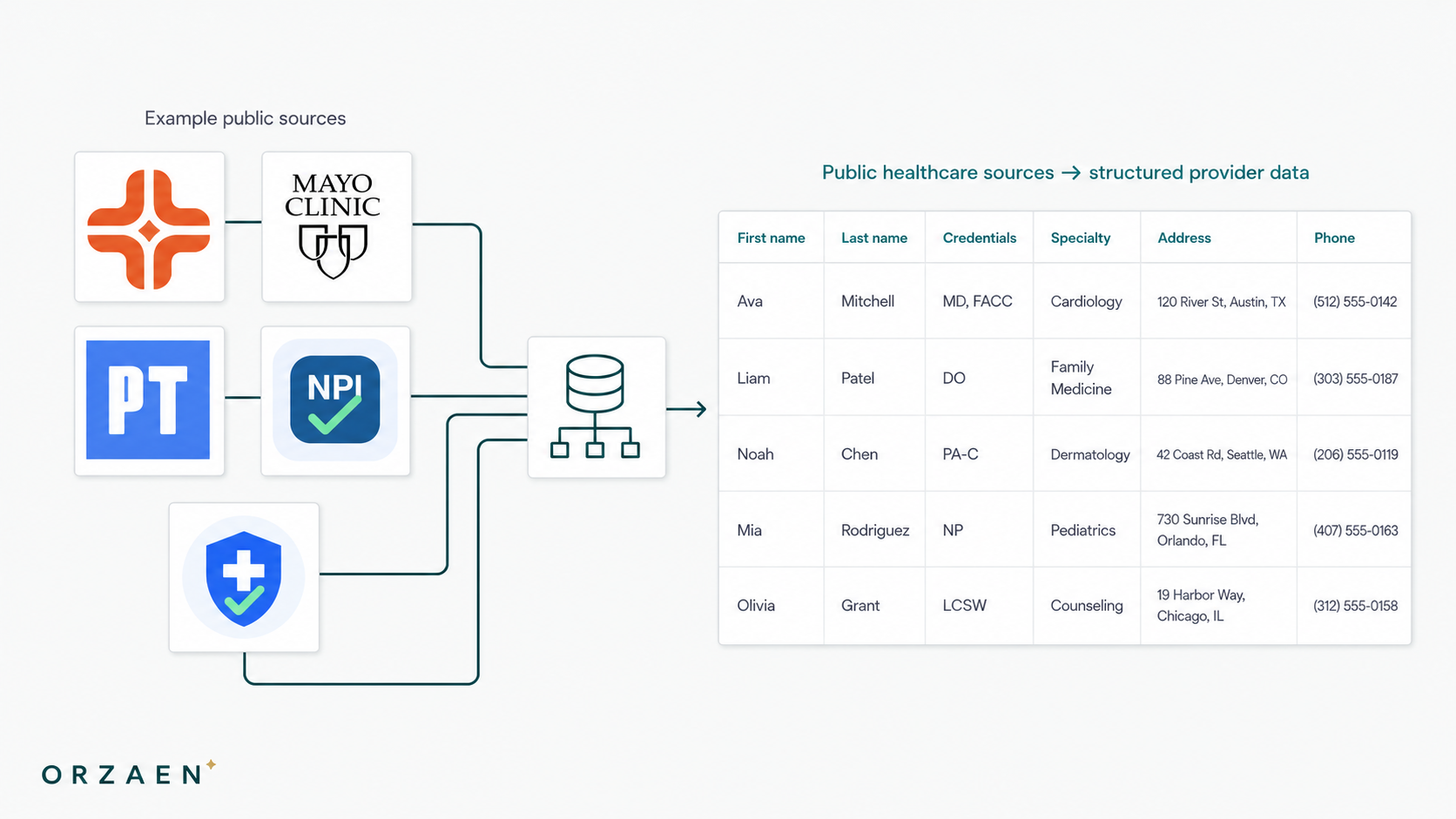
Useful thinking on automation, scraping, data, and systems
How Projects Start
No polished brief needed.
Client data, credentials, workflows, and internal process details are handled privately.
01
Share the messy workflow
Send the tools, files, manual steps, errors, delays, or rough idea.
02
We identify the system path
We decide whether the problem needs data, automation, APIs, AI, cloud work, or a mixed build.
03
You get a clear direction
You receive a practical next step instead of vague technical suggestions.
Start One Conversation
Tell us what system, workflow, or data problem needs attention.
Use one form for project quotes, general contact, consultations, and unclear problems. Share the workflow, data, tools, manual steps, delays, or errors.
No polished brief needed. Send the messy workflow, broken process, or rough idea — we’ll help identify the right system path.
One Combined Form